
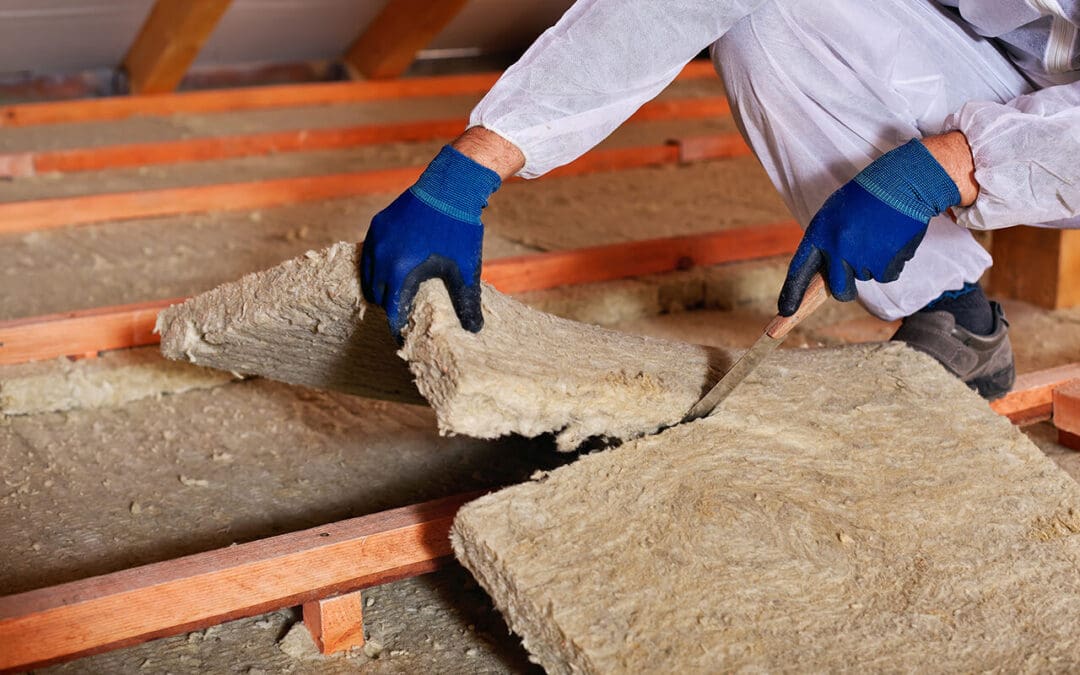
Insulation is the system that regulates temperature year-round, controls energy costs in every season, reduces moisture-related risks, and contributes to how quiet and comfortable a home feels from room to room. Most homeowners think about it only when they’re cold, when an energy bill is unexpectedly high, or when they’re told during a home inspection that the attic has inadequate coverage. The homeowners who understand the importance of insulation as a whole-home system rather than a single-purpose cold-weather material make better decisions about where to invest in improvements and end up with homes that perform better in every season for the entire time they live in them.
The Importance of Insulation for Every Home
Insulation slows the transfer of heat between the interior and exterior of the home, a function as relevant in summer as in winter. In winter, it keeps heat generated by the HVAC system inside the conditioned space rather than allowing it to escape through walls, the attic, and the floor. In summer, it resists the heat radiating through the roof and exterior walls that would otherwise force the cooling system to work harder than it should. The importance of insulation in this context is measurable in energy costs; the U.S. Department of Energy estimates homeowners can save up to 15 percent on heating and cooling by air sealing and insulating. A home with inadequate insulation is one where the HVAC system runs longer, works harder, and wears out faster.
The Importance of Insulation for Moisture Control
Insulation plays a direct role in moisture control, one of the least-discussed but most consequential aspects of building performance. When warm, humid air meets a cold surface inside a wall cavity or attic, it can reach its dew point and condense. Properly installed insulation reduces the temperature differential between the interior and surfaces within the building envelope, reducing the conditions that produce condensation and the mold growth, wood rot, and structural deterioration that follow. Moisture management is particularly significant in climates with cold winters, where vapor control at the wall assembly level determines whether moisture moves harmlessly through the building envelope or accumulates in a damaging location. An insulation system appropriate for the climate, correctly installed, and paired with vapor control is one of the most effective investments a homeowner can make in the long-term durability of the structure.
Where Insulation Matters Most and How to Assess What You Have
The attic is the location where the importance of insulation is most directly felt because heat rises, and an attic with inadequate insulation is the primary pathway for conditioned air to escape in winter and for heat to enter in summer. The U.S. Department of Energy recommends R-38 to R-60 in attics depending on climate zone, and many homes fall well short of this range. Wall insulation, crawl space insulation, and basement rim joist insulation are the other locations where gaps most consistently affect home performance. A home energy audit conducted by a certified professional using blower door testing and thermal imaging provides a systematic picture of where the building envelope is losing conditioned air and where targeted improvements would produce the most return.
Frequently Asked Questions (FAQs)
What R-value do I need and why does it matter?
R-value measures insulation’s resistance to heat flow; the higher the R-value, the greater the insulating effectiveness. The appropriate R-value depends on the climate zone and the location being insulated. The U.S. Department of Energy publishes recommended R-values by climate zone for attics, walls, floors, and crawl spaces.
How do I know if my home has enough insulation?
The most reliable assessment is a professional energy audit that includes thermal imaging. For attic insulation, a homeowner can measure the depth of existing insulation and compare it against the recommended R-value for their climate zone. Wall and crawl space insulation typically requires professional assessment because these areas aren’t as easily accessible or visually assessable.
What types of insulation are most commonly used in homes?
The most common materials are fiberglass batts, blown cellulose, blown fiberglass, and spray foam. Fiberglass batts are the most familiar, used in wall cavities and between attic joists. Blown cellulose and blown fiberglass are most practical for adding insulation to existing attics. Spray foam provides the highest R-value per inch and best air sealing performance of any common material, making it particularly valuable in crawl spaces and rim joists where both insulation and air sealing are needed simultaneously.
Can too much insulation be a problem?
In most residential applications, more insulation produces better performance up to a practical limit defined by the recommended R-value for the climate and location. The exception is in very tightly sealed homes where mechanical ventilation becomes necessary to maintain acceptable indoor air quality, because a tight building envelope restricts the natural air exchange that dilutes indoor pollutants and moisture.
How does insulation affect home resale value?
Adequate insulation contributes to resale value through lower utility bills buyers can verify through disclosed energy cost history, comfortable performance in all seasons, and an inspection report free of insulation deficiencies. A home with documented attic insulation and no significant building envelope deficiencies presents fewer buyer objections and supports a more confident offer.
American Dream Home Inspections provides inspections to homebuyers and sellers in Northern and Central New Jersey. Contact us to request our services.