
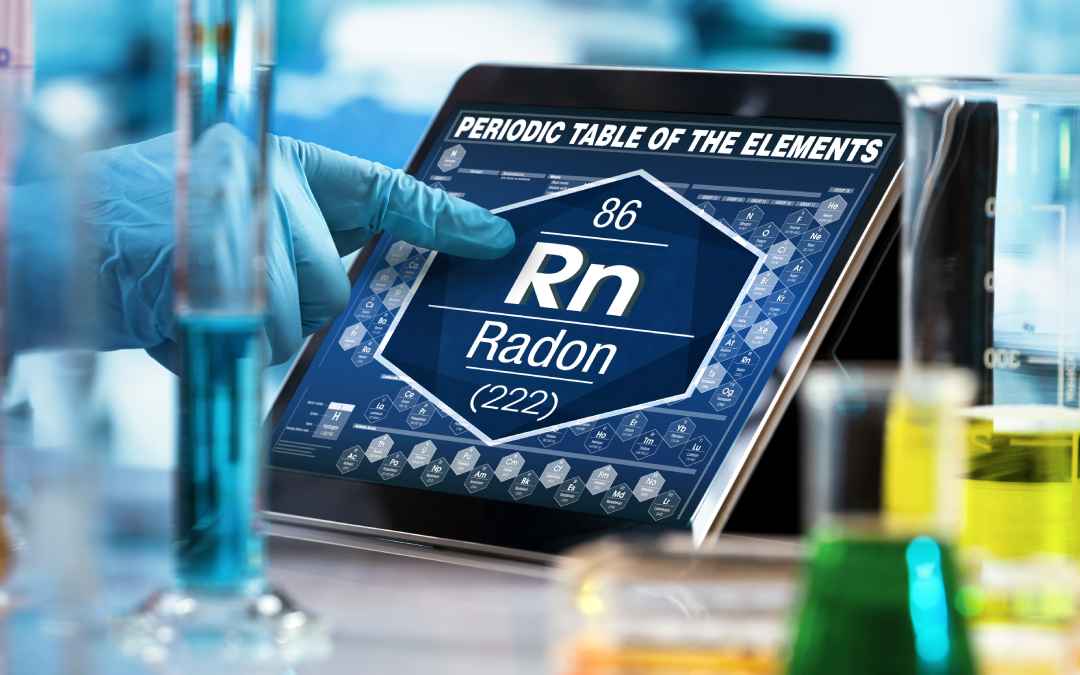
Radon testing is one of the most important yet often overlooked steps in protecting a home and the people living in it. Radon is an invisible, odorless gas that forms naturally when uranium in soil and rock breaks down. Because it cannot be seen or smelled, it could accumulate inside homes without anyone realizing it. Over time, exposure to high radon levels may pose serious health risks, which is why radon testing has become a key recommendation for homeowners and homebuyers alike.
Radon can enter a home through cracks in the foundation, gaps around pipes, crawl spaces, and even well water. Once inside, the gas may become trapped and build up to unsafe levels. The only reliable way to know whether a home has elevated radon levels is through proper radon testing. Fortunately, testing is simple, affordable, and widely available, making it an easy step toward a safer living environment.
Understanding Radon and How It Enters Homes
Radon originates in the soil beneath homes and buildings. As the gas rises through the ground, it could seep into structures through even the smallest openings. Basements and ground-floor living spaces tend to have the highest concentrations because they are closest to the soil where radon is produced. Factors such as soil composition, home construction, ventilation, and weather patterns influence how much radon enters a home. Interestingly, neighboring houses can have very different radon levels even if they are built in the same area. That unpredictability is one of the reasons radon testing is strongly recommended for every home rather than relying on regional averages.
When Radon Testing Is Most Important
Radon testing is especially important during real estate transactions. Many homebuyers now request a radon test as part of their inspection process. Knowing the radon levels in a property allows buyers to make informed decisions and negotiate mitigation measures if necessary. However, testing should not be limited to home purchases. Experts recommend radon testing every few years or after major structural changes to a home, such as finishing a basement or installing new ventilation systems. Seasonal changes could also influence radon levels, which means periodic testing helps ensure conditions remain safe over time. Even newly constructed homes are not immune to radon.
Radon Testing Methods: Short-Term vs. Long-Term
There are two primary types of radon testing: short-term and long-term tests. Short-term tests typically last from two days to a week and provide a quick snapshot of radon levels in a home. These tests are commonly used during home inspections or when homeowners want fast results. Long-term tests, on the other hand, measure radon levels over several months. Because they capture fluctuations over time, they provide a more accurate picture of a home’s average radon concentration. Many homeowners begin with a short-term test and follow up with a long-term test if the results are close to recommended safety thresholds.
What Happens If Radon Levels Are High?
Discovering high radon levels can be concerning, but the good news is that effective solutions exist. Radon mitigation systems are specifically designed to reduce radon concentrations inside a home. The most common method involves installing a vent pipe system and fan that pulls radon from beneath the house and releases it safely outside. These systems are typically installed in basements or crawl spaces and can significantly lower radon levels. In many cases, mitigation systems reduce radon concentrations by up to 99 percent. Professional installers will evaluate a home’s structure and recommend the most effective solution. Once mitigation measures are installed, follow-up radon testing is essential to confirm that the system is working as intended.
Radon Testing and Long-Term Home Safety
Maintaining safe radon levels is an ongoing process rather than a one-time task. Homes settle, ventilation patterns change, and environmental conditions evolve over time. Periodic radon testing ensures that previously safe homes remain safe for years to come. For homeowners planning renovations or energy-efficiency upgrades, testing afterward will help identify any changes that may affect indoor radon levels. Keeping records of radon test results and mitigation work can also add value and transparency when selling a home in the future. Ultimately, radon awareness and routine radon testing are simple steps that contribute to healthier indoor environments and greater peace of mind.
Frequently Asked Questions (FAQs)
How often should radon testing be done?
Most experts recommend radon testing every two to five years. Testing should also be repeated after major renovations, changes to heating or ventilation systems, or after installing a mitigation system.
What radon level is considered dangerous?
In many countries, action is recommended when radon levels reach 4 picocuries per liter (pCi/L) or higher. If testing shows levels near or above this threshold, installing a mitigation system is usually advised.
Can radon affect homes without basements?
Yes. While basements often have higher concentrations, radon can enter any home through foundations, crawl spaces, or slab floors.
Is radon testing expensive?
Radon testing is relatively inexpensive. Professional testing services are typically a modest investment compared to the potential health benefits.
Does opening windows reduce radon levels?
Opening windows may temporarily lower radon concentrations, but it is not a reliable long-term solution. If radon levels are high, a professionally installed mitigation system is the most effective way to reduce exposure.
American Dream Home Inspections provides inspections to homebuyers and sellers in Northern and Central New Jersey. Contact us to request our services.