
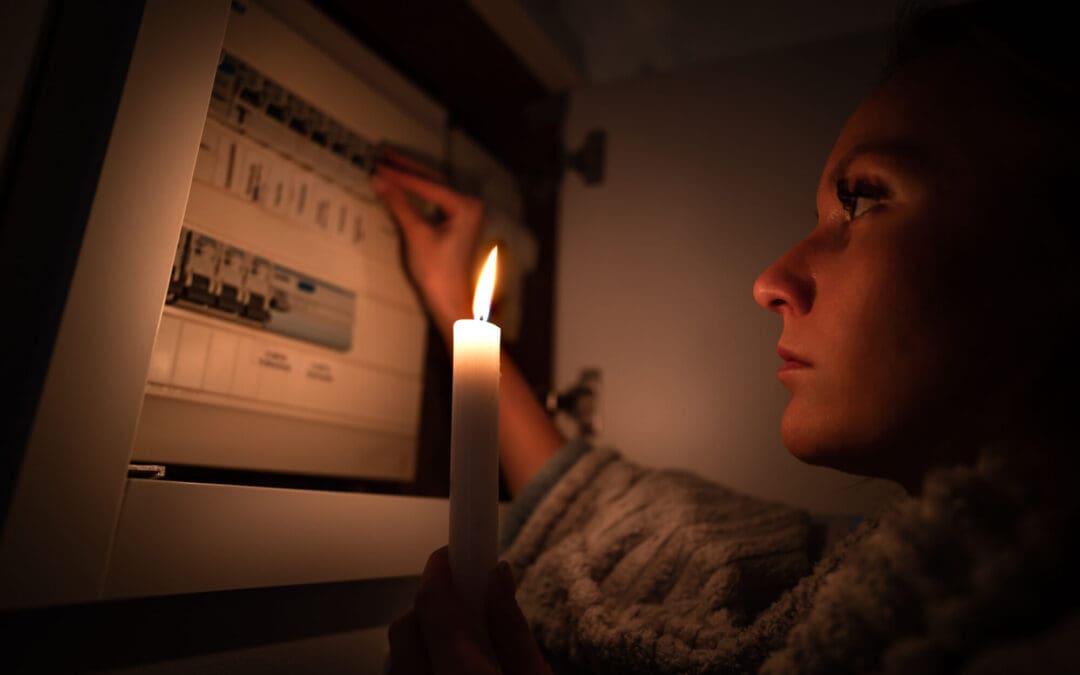
A power outage happens with little warning, whether caused by severe weather, equipment failure, or routine maintenance gone wrong. For homeowners, being prepared for a power outage is not just about convenience; it is about safety, comfort, and protecting the home itself. With thoughtful planning and a few proactive steps, an outage becomes far less disruptive and much easier to manage.
Why Every Homeowner Should Prepare for a Power Outage
A power outage affects far more than lighting and electronics. Heating and cooling systems stop running, refrigerators lose temperature, security systems may go offline, and sump pumps could fail. Even short outages cause inconveniences, while longer ones could lead to property damage or health concerns. Preparing in advance helps minimize stress and ensures that essential systems and daily routines remain manageable until power is restored.
Understanding How a Power Outage Impacts Your Home
When a power outage occurs, the home’s systems respond differently depending on their design and backup options. Refrigerators begin to warm within hours, which can lead to food spoilage. Homes with electric heating or cooling may quickly become uncomfortable during extreme temperatures. Well pumps, garage doors, and some plumbing components may stop working entirely. Understanding how your home functions during an outage helps prioritize what needs immediate attention and what can safely wait.
Power Outage Preparation Starts with an Emergency Plan
Planning ahead is one of the most effective ways to prepare for a power outage. A clear household plan helps everyone know what to do when the lights go out. This includes identifying safe lighting options, knowing where emergency supplies are stored, and having a plan for communication if phones or internet access are disrupted. Homeowners should also consider how long they could reasonably function without power and plan supplies accordingly.
Backup Power Options During a Power Outage
Backup power will significantly reduce the impact of a power outage. Portable generators, standby generators, and battery backup systems each offer different levels of support. Some homeowners rely on generators to power essential appliances, while others invest in whole-home systems that restore electricity automatically. Choosing the right backup option depends on budget, home size, and the systems that need to stay operational during an outage. Proper installation and safe operation are critical to avoid hazards.
Protecting Your Home and Belongings
A power outage may expose a home to unexpected risks. Frozen pipes can occur during cold weather if the heating system stops running. Sump pump failure during storms may lead to basement flooding. Surge damage can happen when power is restored. Taking steps such as insulating vulnerable pipes, unplugging sensitive electronics, and monitoring moisture-prone areas helps protect the home and its contents during and after an outage.
Staying Comfortable and Safe Without Electricity
Comfort and safety should remain a priority during an outage. Alternative heating or cooling methods should be used cautiously and only with proper ventilation. Candles and open flames should be avoided whenever possible, as they increase the risk of fire. Battery-powered lighting, weather-appropriate clothing, and access to clean water all contribute to maintaining a safe living environment until power returns.
Preparing for a power outage is an essential part of responsible homeownership. With advance planning, practical safeguards, and a clear understanding of how a home responds without electricity, homeowners will face the next outage with confidence rather than concern.
Frequently Asked Questions (FAQs)
How long should homeowners be prepared to handle an outage?
Homeowners should be prepared to manage a power outage for at least 72 hours. Severe weather events or infrastructure damage can extend outages beyond a day, and having supplies and plans in place reduces reliance on emergency services.
What should be checked immediately after a power outage?
Once power is restored, homeowners should check appliances, heating and cooling systems, and any safety equipment that may have shut down. Food safety should also be assessed, as refrigerated items may no longer be safe to consume.
Is a generator necessary for every home?
Not every home requires a generator, but many homeowners find them valuable, especially in areas prone to frequent or extended outages. Even a small generator can help maintain essential functions and enhance comfort.
Can an outage cause long-term damage to a home?
Yes, an outage could contribute to long-term issues such as moisture damage, mold growth, or mechanical failures if systems are not properly protected. Preparation and post-outage inspections help prevent lasting damage.
When is the best time to prepare for a power outage?
The best time to prepare for a power outage is before one occurs. Proactive planning ensures that homeowners are prepared, regardless of the season, weather conditions, or the duration of the outage.
American Dream Home Inspections provides inspections to homebuyers and sellers in Northern and Central New Jersey. Contact us to request our services.