
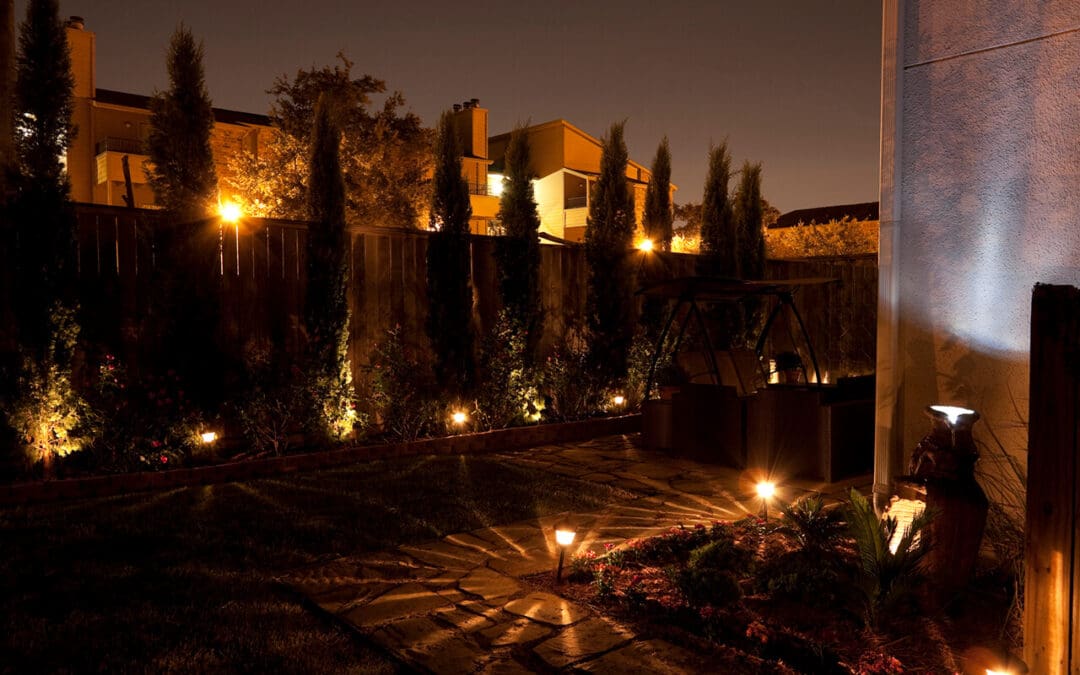
Landscape lighting is a powerful tool that enhances the beauty of your outdoor spaces while also adding an extra layer of security. Properly planned lighting can transform your garden, patio, or yard into a stunning focal point during the evening hours. Whether you want to highlight specific features of your landscape, create ambiance for outdoor gatherings, or improve safety around walkways and entrances, outdoor lighting serves multiple purposes. With a little planning, you can make your outdoors shine both aesthetically and functionally.
Why Landscape Lighting Is Essential for Your Home
The right landscape lighting goes beyond just decoration. It enhances the mood, highlights architectural features, and helps increase the usability of outdoor areas long after the sun sets. Good lighting will make your garden look inviting, create a sense of security, and add value to your property. It’s a relatively simple upgrade that has a significant impact on the atmosphere of your home’s exterior. Illuminating walkways, driveways, and entrances helps prevent accidents, particularly when navigating in the dark. Well-lit areas around the home also deter unwanted guests and make your property appear more secure.
How to Plan Your Landscape Lighting for Maximum Impact
When planning your landscape lighting, the goal is to enhance the natural beauty of your outdoor spaces while making the areas safe and functional. Start by evaluating your yard and determining which areas you want to highlight. Is there a beautiful tree you want to accentuate? Do you have a garden path or driveway that could benefit from extra visibility? Identifying these key spots will help guide your lighting choices. Another important consideration when planning is the mood you wish to create. Soft, warm lighting can create an intimate atmosphere for outdoor dining or relaxing, while brighter lighting could highlight the architectural features of your home or yard. Think about how you want to use your outdoor space and how the lighting will complement those activities.
Different Types of Lighting Fixtures
There are various types of lighting fixtures that can help you achieve your desired effects. Path lights, for instance, are ideal for illuminating walkways, driveways, and garden paths. These lights are typically low to the ground and provide gentle, even illumination, guiding visitors safely through your yard. For larger outdoor features like trees, fountains, or statues, use spotlights or uplights to create dramatic shadows and highlights. For areas that require security, motion-sensing lights are an excellent choice. These lights automatically turn on when they detect movement, alerting you to potential intruders and illuminating the area for safety. Similarly, floodlights can be used to light up larger areas, such as patios or the front of your house.
Energy Efficiency in Landscape Lighting
When planning your landscape lighting, it’s essential to consider energy efficiency. Traditional incandescent bulbs consume a significant amount of energy, leading to higher utility bills. However, LED lights are an energy-efficient alternative that lasts longer and uses less power, making them an excellent choice for outdoor lighting. Solar-powered lights are another eco-friendly option. These lights harness energy from the sun during the day and use it to power the lights at night. They are easy to install, require no wiring, and can be placed in areas that receive adequate sunlight. Solar lights are perfect for smaller lighting projects or adding accent lighting to gardens and paths.
Layering Lighting for Visual Interest
Layering is a technique used to create depth and texture in lighting. By using a combination of lighting types and varying the intensity, you can create an interesting and dynamic lighting scheme. Start by using ambient lighting for general illumination, then add accent lighting to highlight key features, and finish with task lighting where needed. For instance, soft ambient lighting around a seating area can create a relaxing atmosphere, while spotlights on a decorative water feature can make it stand out as a focal point in the yard. Combining these layers gives your landscape lighting a multi-dimensional feel and allows you to tailor the lighting to different needs and occasions.
Installation and Maintenance Lighting
Once you’ve planned your landscape lighting, it’s time to install the fixtures. Depending on the complexity of your design, you can either install the lights yourself or hire a professional to ensure proper placement and wiring. Many lighting systems today are designed for easy installation, with plug-and-play functionality or solar-powered options. Regular maintenance is important to keep your lighting functioning well. Clean your light fixtures periodically to remove dirt and debris, and check for any signs of damage or wear. It’s also a good idea to inspect the wiring and bulbs each year to ensure everything is in good working order.
Frequently Asked Questions (FAQ)
What’s the best time to install landscape lighting?
The best time for installation is in the spring or fall when the weather is mild, making the process easier.
Do I need a professional for lighting installation?
While simple installations can be done by homeowners, it’s recommended to hire a professional for more complex systems to ensure proper wiring and safety.
Are solar lights effective for landscape lighting?
Yes, solar lights are effective for smaller projects and accent lighting. They are cost-effective and require no wiring, though they need to be placed in areas with ample sunlight.
Can landscape lighting increase my home’s value?
Yes, well-designed landscape lighting will enhance your home’s curb appeal and create an inviting atmosphere, potentially increasing its value.
American Dream Home Inspections provides inspections to homebuyers and sellers in Northern and Central New Jersey. Contact us to request our services.