
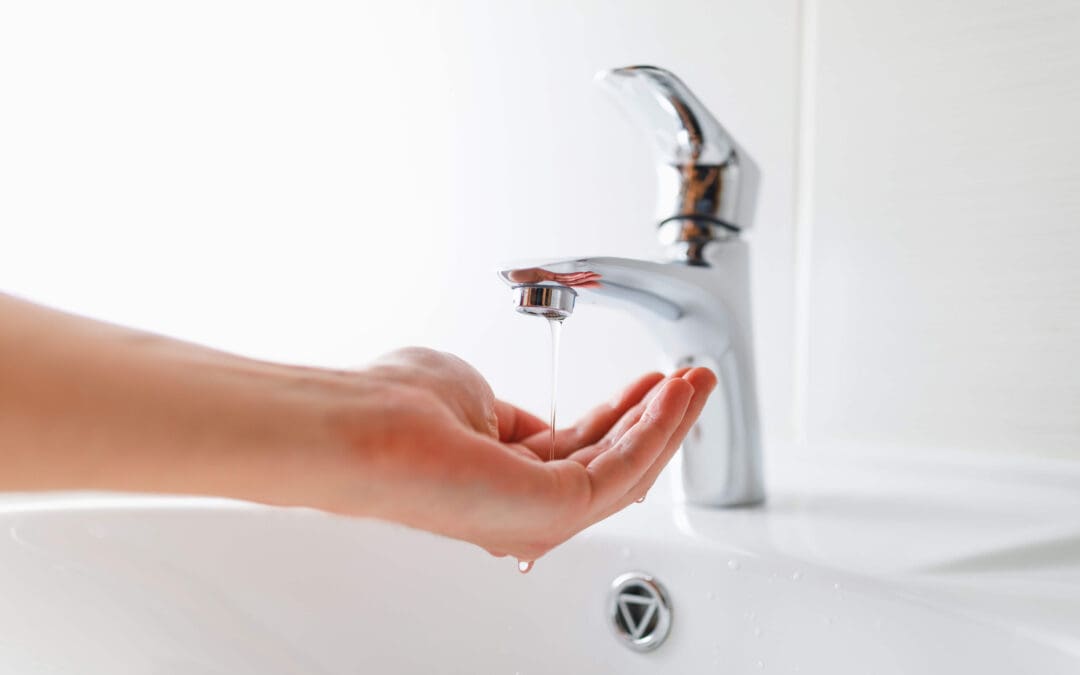
Few things are more frustrating than a weak shower or a faucet that barely trickles. Low water pressure is a common complaint, especially in older homes with aging plumbing, and the cause is often simpler than you might expect. Sometimes it is a clogged aerator that takes two minutes to fix. Other times it points to a hidden leak or corroded pipes that need professional attention. Here is how to work through the problem step by step so you know when to fix it yourself and when to call for help. The good news is that most causes are easy to track down with a few basic tools.
Find Out How Widespread the Problem Is
Start by figuring out where the low water pressure is. If only one faucet or showerhead is weak, the problem is local and probably easy to solve. If every fixture in the house is affected, the cause is likely upstream, in the main line, the pressure regulator, or the water supply itself. Check whether hot water is weaker than cold, which could point to a water heater issue such as sediment or a partly closed valve. Ask a neighbor whether they have noticed the same thing. A quick survey of your house saves time and keeps you from chasing the wrong cause. Also note when the problem happens. Pressure that drops in the morning or evening may reflect heavy neighborhood demand, while a sudden drop after plumbing work could mean a valve was left partly closed. Writing down your observations helps a plumber diagnose the issue quickly.
Clear Clogs That Cause Low Water Pressure
Mineral deposits are the most common reason for low water pressure at a single fixture. Unscrew the aerator on the faucet and the showerhead, soak them in white vinegar for an hour, and scrub away the scale with an old toothbrush. Rinse and reinstall. If the pressure improves, you have found the problem. Check the shutoff valves under sinks and the main shutoff valve as well, since a valve that isn’t fully open restricts flow. Flushing your water heater once a year also removes sediment that can reduce hot water pressure over time. Hard water is common in many New Jersey communities, so scale builds up faster than most homeowners expect. A little maintenance every few months keeps fixtures flowing freely, and it is far cheaper than replacing them. If your showerhead has rubber nozzles, rub them gently to dislodge deposits.
Check the Pressure Regulator and Main Line
Many homes have a pressure-reducing valve near the main shutoff, a bell-shaped device that keeps pressure at a safe level. When it fails, you could end up with low water pressure or damaging spikes. You can test your pressure with an inexpensive gauge that screws onto an outdoor hose bib. Healthy pressure falls between about forty and sixty pounds per square inch. Readings below that suggest a failing regulator, a partially closed main valve, or a problem with the supply. Replacing a regulator is a job for a licensed plumber, but the diagnosis is easy to do yourself. If the gauge shows pressure that is too high, that is a problem too, because excess pressure strains pipes, appliances, and fixtures. Ask your plumber to set the regulator so your household stays within the safe range.
Watch for Leaks Behind Low Water Pressure
Persistent low water pressure can signal a hidden leak. Check your water meter when all fixtures are off. If the dial moves, water is escaping somewhere. Look for damp spots, stains, or musty smells in basements, crawl spaces, and walls. Older homes may still have galvanized steel pipes, which corrode from the inside and gradually narrow, choking off flow. If you suspect corrosion, a plumber can evaluate whether repiping makes sense. Catching a leak early prevents mold, stained ceilings, and large water bills, so don’t ignore a meter that keeps moving. A plumber can use specialized tools to locate hidden leaks without tearing open walls.
Frequently Asked Questions (FAQs)
What is considered low water pressure?
Pressure below about forty pounds per square inch is generally considered low. Most homes run best between forty and sixty.
Why is the water pressure low in just my shower?
Mineral buildup in the showerhead is the most common cause. Soaking it in vinegar usually restores flow.
Can a water heater cause low water pressure?
Yes. Sediment buildup or a partially closed valve can reduce hot water flow while cold water stays normal.
Does a leak cause low water pressure?
It can. Water escaping from a hidden leak reduces what reaches your fixtures. Check your meter with everything turned off.
When should I call a plumber for low water pressure?
Call if cleaning fixtures doesn’t help, if every fixture is affected, or if you suspect leaks, corroded pipes, or a bad regulator.
American Dream Home Inspections provides inspections to homebuyers and sellers in Northern and Central New Jersey. Contact us to request our services.