
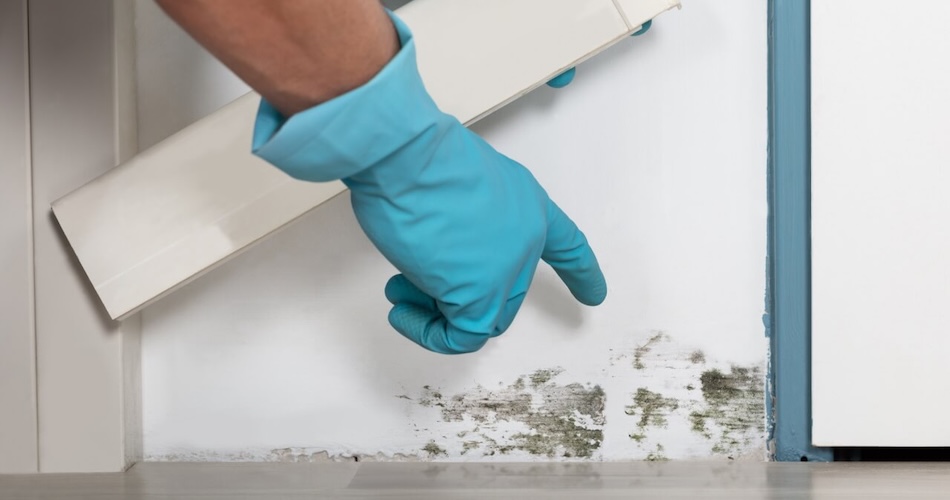
The myths about mold that circulate among homeowners are more than just harmless misunderstandings; they lead to real decisions about whether to test, whether to remediate, how urgently to act, and whether a home is safe to occupy. Some mold myths create unnecessary panic over conditions that don’t warrant it. Others create dangerous complacency about conditions that do. Understanding what’s accurate and what isn’t is the foundation of making good decisions when mold is suspected, found, or reported in a home.
The Most Common Myths About Mold That Mislead Homeowners
The myths about mold that cause the most problems are the ones that sound reasonable enough to go unquestioned: the half-truths and oversimplifications that lead homeowners toward the wrong response.
Myth: All mold is black mold, and all black mold is toxic. This is one of the most widespread myths about mold. “Black mold” colloquially refers to Stachybotrys chartarum, a specific species requiring very high, sustained moisture to grow and relatively rare in most homes. Mold comes in hundreds of species, and dozens of colors, and color alone tells you nothing reliable about species or toxicity. Appearance cannot identify mold; laboratory analysis is required.
Myth: If you can’t see mold, there isn’t any. Mold grows wherever moisture is sustained for more than 24 to 48 hours, behind walls, under flooring, in crawl spaces, and above ceiling tiles, without any surface indication. Homes with a persistent musty odor but no visible growth could have significant mold in concealed locations.
Myth: Bleach kills mold completely. Bleach is effective on non-porous surfaces but doesn’t penetrate porous materials like drywall and wood. The visible discoloration may disappear while the mold root structure embedded in the material remains intact and capable of regrowing. Professional remediation removes or replaces affected porous material rather than treating it with surface disinfectants.
Myths About Mold Testing and What It Actually Tells You
Myths about mold testing matter because testing decisions shape whether homeowners get useful or misleading information.
Myth: Mold testing will tell you if your home is safe. Air sampling measures spore quantities at the time of sampling; it does not determine whether the home is “safe” in an absolute sense, because no universal standard exists for what constitutes a safe indoor mold level. Testing is most useful when comparing indoor and outdoor spore counts and identifying whether specific species are present in elevated concentrations.
Myth: You should always test before doing anything. When visible mold and an identifiable moisture source are present, testing before remediation often adds cost without adding useful information. The remediation approach for visible growth is largely the same regardless of species. Testing becomes most valuable when mold is suspected but not visible, when occupants have unexplained symptoms, or when verifying successful remediation after work is complete.
The Mold and Health Myths That Deserve Correction
The relationship between mold and human health is real, but the myths about mold health effects distort it in both directions, producing either excessive fear or inappropriate dismissal. Not everyone exposed to mold experiences health effects: individual sensitivity varies based on species, concentration, duration, and the occupant’s immune and respiratory profile. Mold exposure most affects people with allergies, asthma, compromised immune systems, or pre-existing respiratory conditions. A healthy adult with no respiratory sensitivities in a home with moderate mold may experience no symptoms at all, while someone with asthma in the same home may experience significant aggravation. This variability is why dismissing occupant symptoms as unrelated to mold without professional assessment is itself one of the more consequential myths about mold in residential settings.
Frequently Asked Questions (FAQs)
How do I know if the mold in my home is dangerous?
Species identification through laboratory analysis is the only reliable way. That said, all mold growth represents a moisture condition worth addressing regardless of species, because conditions supporting one species will support others over time. The practical approach is to address visible mold and the underlying moisture source promptly rather than waiting for identification to determine urgency.
What actually kills mold and prevents it from coming back?
Mold is eliminated by removing the moisture conditions that support it. On non-porous surfaces, an EPA-registered disinfectant can eliminate surface mold. On porous surfaces, physical removal and replacement is appropriate, because surface treatment leaves the root structure intact.
Should I test my home for mold even if I don’t see any?
Testing is most valuable when occupants have unexplained respiratory symptoms that improve away from home, when a musty odor has no visible source, when the home has experienced water damage that may not have dried fully, or when post-remediation verification is the goal. Baseline testing without any of these conditions is less likely to produce actionable information.
Is it safe to stay in a home while mold is being remediated?
It depends on the extent of growth, its location, and the remediation method. Small, contained projects in areas separated from occupied living space may not require occupants to leave. Large-scale remediation involving significant disturbance of affected materials, which releases spores, typically warrants temporary relocation, particularly for occupants with respiratory sensitivities or compromised immune systems. Ask the remediation contractor directly about appropriate occupancy during the work.
How much mold is normal and how much is a problem?
Some mold spores are present in virtually every indoor environment. The question isn’t whether any mold is present but whether indoor concentrations exceed outdoor levels, suggesting an active indoor source, and whether concerning species are present in elevated concentrations. Professional inspection and sampling with outdoor comparison provide the context needed to answer this meaningfully.
American Dream Home Inspections provides inspections to homebuyers and sellers in Northern and Central New Jersey. Contact us to request our services.