
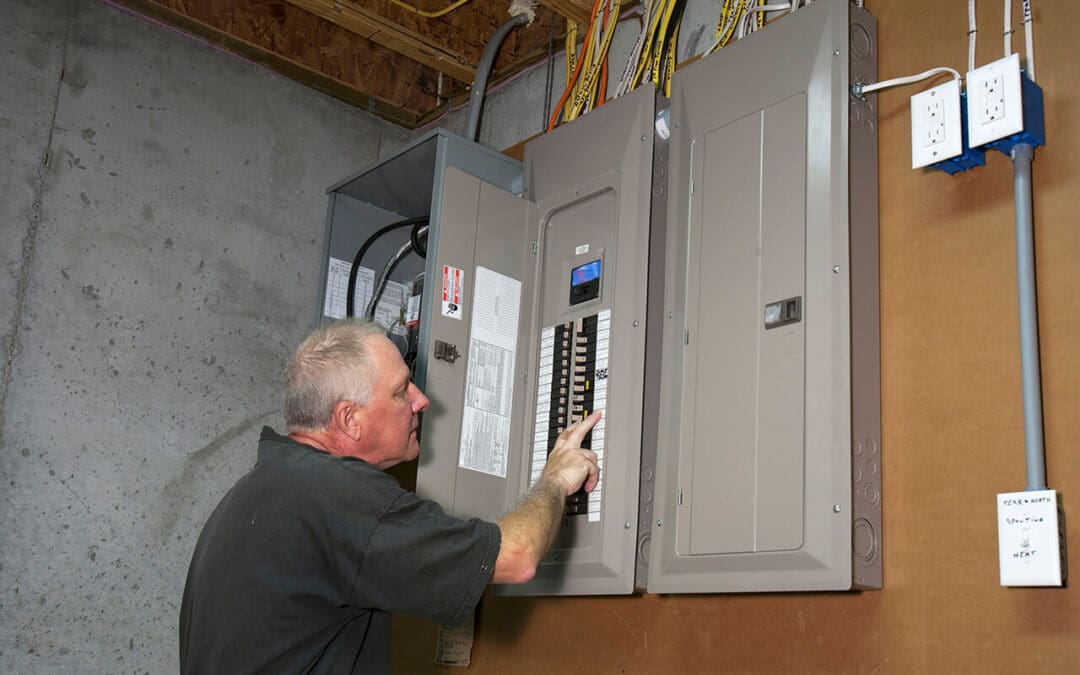
Electrical improvements are one of the most overlooked categories of pre-sale home preparation and one of the most important. Buyers and their agents increasingly scrutinize electrical systems during the inspection process, and deficiencies in this area create negotiating leverage for buyers, derail financing for certain loan types, and generate the kind of inspection report findings that send cautious buyers back to the market. The good news is that most of the electrical improvements that matter most to buyers and home inspectors are straightforward, predictable, and far less expensive to address proactively than to negotiate after.
Why Electrical Improvements Matter More to Today’s Buyers
The modern buyer’s expectation of a home’s electrical system has risen significantly. The proliferation of home offices, electric vehicle chargers, smart home technology, and high-draw kitchen appliances means buyers are thinking about electrical capacity in ways previous generations weren’t. A home with a 100-amp service panel, limited outlets, or an ungrounded electrical system signals both a safety concern and a future expense that many buyers will price into their offer or use as a reason to walk away. Lenders add another layer of urgency. FHA and VA loans have specific requirements around electrical systems, and homes with knob-and-tube wiring, aluminum branch circuit wiring, or Federal Pacific and Zinsco panels frequently run into financing obstacles that kill deals after significant time has been invested. Addressing electrical improvements before listing removes these obstacles and broadens the pool of buyers who can finance the purchase.
Electrical Improvements That Buyers Notice
The electrical panel is the component buyers and home inspectors evaluate most critically. Two specific panel types generate the most concern: Federal Pacific Electric (FPE) panels with Stab-Lok breakers and Zinsco panels, both with documented histories of breaker failure and fire risk. When these appear on an inspection report, buyers request replacement credits, struggle to obtain insurance, or exit the transaction. Replacing a problematic panel before listing is almost always the more favorable financial outcome than negotiating it at the contract stage. Service capacity upgrades, address both current deficiencies and buyer expectations for future use. A 100-amp service panel often struggles with the simultaneous demands of modern living. Listing with a 200-amp panel signals that the electrical system is ready for whatever the buyer plans, which is a genuine selling point rather than just a deficiency avoided.
Issues That Come Up in Inspection Reports
Beyond the panel, several wiring and outlet conditions consistently appear on inspection reports and generate buyer concern or lender pushback. Ungrounded outlets represent a shock and surge risk that buyers notice. Replacing them with properly grounded three-prong outlets, or installing GFCI protection where required, is a relatively inexpensive electrical improvement that directly reduces inspection findings. GFCI protection in bathrooms, kitchens, garages, exterior outlets, and unfinished basements is required by modern code and is one of the most commonly cited deficiencies in inspection reports on older homes. It’s an affordable electrical improvement that closes a compliance gap in a single project. AFCI breakers, required in modern construction for most living area circuits, reduce the risk of electrical arcing fires inside walls. Aluminum branch circuit wiring, used in some homes built in the 1960s and 70s, should be evaluated by a licensed electrician and either replaced or fitted with appropriate connectors, as it remains a significant buyer and insurer concern. Adding outlets in rooms where they’re sparse is an improvement buyers notice positively during showings.
Frequently Asked Questions (FAQs)
Which electrical improvements give the best return before selling?
Panel replacement on a known-problematic panel, GFCI outlet installation in all required locations, and grounding of ungrounded outlets provide the best return. These three electrical improvements address the findings that appear most frequently on inspection reports for older homes and that generate the most buyer concern.
Do I have to disclose electrical issues if I don’t fix them?
Yes, most states require sellers to disclose known material defects, and electrical system issues typically qualify. Choosing not to make electrical improvements before listing doesn’t eliminate the issue; it shifts it to the disclosure statement, where it still affects buyer perception, negotiation, and financing. It also exposes the seller to liability if an undisclosed electrical issue causes harm after closing.
How do I know if my electrical panel is one of the problematic types?
Federal Pacific Electric panels are typically labeled “Stab-Lok” or “Federal Pacific” and have a distinctive appearance with small breakers in a red stripe pattern. Zinsco panels often have colorful breakers and may be labeled “Zinsco” or “Sylvania.” If you’re unsure, a licensed electrician can identify the panel type and assess its condition. A pre-listing home inspection by a licensed inspector will also identify panel type and any related concerns, providing a complete picture of electrical improvements worth addressing before buyers see the home.
Will electrical improvements increase my home’s appraised value?
Electrical improvements primarily affect marketability and the ability to close, they prevent value deductions and buyer objections rather than adding above-market value. A home with updated electrical is priced at market; a home with significant electrical deficiencies is priced below it, either through seller concessions or reduced offers.
Should I get permits for electrical improvements before selling?
Yes, electrical work performed without permits is a disclosure issue and can create problems at closing, particularly for buyers using financing. Permitted work provides documentation that the improvement was inspected and code-compliant, which is the assurance buyers and lenders want. Unpermitted electrical work discovered during a buyer’s inspection or by a title company can require retroactive permitting or remediation that delays or derails the sale.
American Dream Home Inspections provides inspections to homebuyers and sellers in Northern and Central New Jersey. Contact us to request our services.