
Summer brings backyard barbecues, camping trips, and long evenings outdoors, but it also brings some of the highest fire risks of the year. Dry conditions, increased outdoor cooking, and holiday fireworks create a combination of hazards that make fire safety a top priority for homeowners and families during the warmer months. Understanding the risks and taking a few proactive steps can mean the difference between a memorable summer and a devastating one.
Fire Safety Starts With Your Grill
The backyard grill is one of the most common sources of residential fires during summer. Keeping your grill clean significantly reduces the risk of flare-ups and grease fires. Always position the grill at least ten feet away from the house, deck railings, and any overhanging structures or vegetation. Never leave a lit grill unattended, and keep children and pets away from the cooking area at all times. For gas grills, inspect hoses and connections at the start of each season for cracks, leaks, or signs of wear before firing up for the first time.
How to Handle Fireworks Safely This Summer
Fireworks are a beloved summer tradition, but they are also responsible for thousands of fires and injuries every year. The safest approach is to enjoy professional fireworks displays rather than handling consumer fireworks at home. If fireworks are legal in your area and you choose to use them, never allow children to handle them unsupervised, always have a bucket of water or a garden hose nearby, and light fireworks one at a time on a flat, hard surface away from structures and dry vegetation. Never attempt to relight a firework that fails to ignite, soak it in water and dispose of it safely.
Outdoor Fire Safety Tips That Keep Everyone Safe
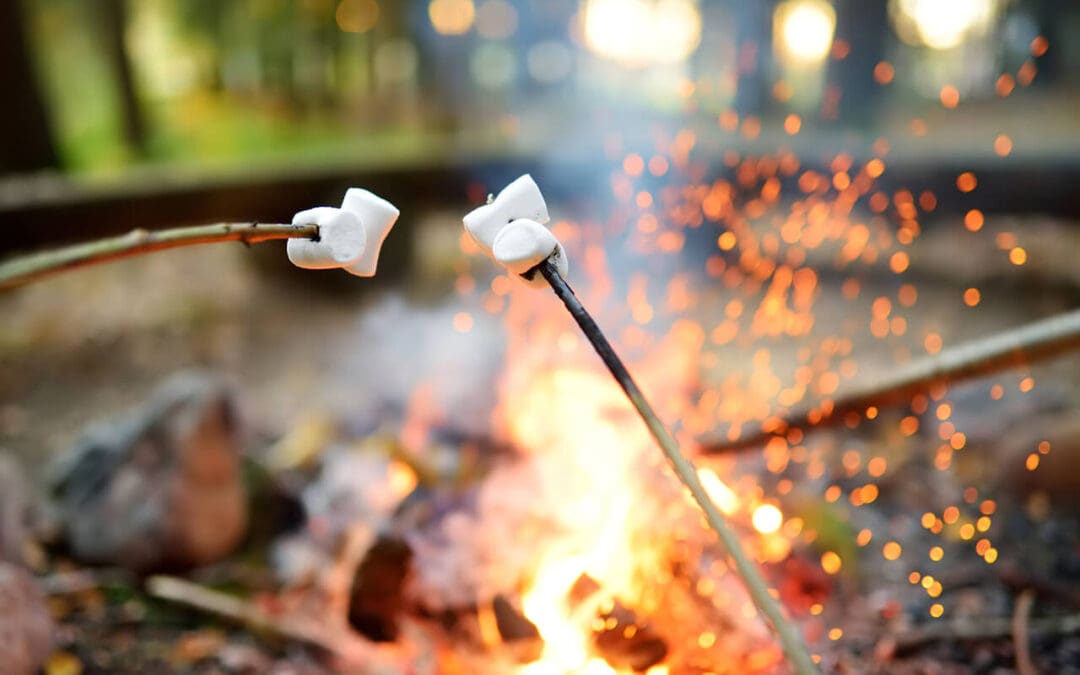
Few summer experiences beat gathering around a campfire or backyard fire pit, but open flames require careful management. Always check local burn advisories and any applicable restrictions before lighting an outdoor fire, as dry summer conditions frequently trigger temporary bans in many areas. Keep fires small and contained, never leave them unattended, and have water or a fire extinguisher within easy reach. Fully extinguish fires before going inside or going to sleep, a fire that appears out is not necessarily out, and smoldering embers can reignite hours later under the right conditions.
Practice Fire Safety Inside the Home Too
Summer fire risks aren’t limited to the outdoors. Candles left burning in warm, breezy rooms near open windows, overloaded power strips running air conditioners and fans, and dryers running constantly to keep up with increased laundry are all common indoor fire hazards that spike during summer months. Keep candles away from open windows and flammable materials, avoid overloading electrical outlets, and clean your dryer’s lint trap after every load. If your home uses a window air conditioning unit, make sure it’s properly installed and not sharing an outlet with other high-draw appliances.
Check Your Smoke Detectors and Fire Extinguishers
Fire safety equipment is only as effective as the condition it’s kept in. The start of summer is a good time to test every smoke detector in the home, replace batteries as needed, and confirm that detectors are present on every level and outside every sleeping area. Check the gauge on your fire extinguisher to confirm it’s still fully charged, and make sure all household members know where it’s located and how to use it. If your extinguisher is more than ten years old or shows signs of damage, replacing it is a straightforward and worthwhile investment.
Have a Family Fire Escape Plan
Even the most careful household could experience a fire emergency. Having a practiced escape plan dramatically improves outcomes when seconds count. Identify two exits from every room in the home, establish a clear meeting point outside, and make sure every family member knows the plan. Practice the escape route at least once a year, and make sure children understand what to do if they hear a smoke alarm. For households with elderly family members or young children, assign a specific person to assist them during an evacuation so no one is left behind.
Frequently Asked Questions (FAQs)
What are the most common causes of summer fires?
Outdoor grilling, fireworks, campfires, and fire pits, and dry vegetation ignited by sparks or embers are the most frequent causes of summer fires.
How far should a grill be from the house?
Most fire safety guidelines recommend keeping a grill at least ten feet away from any structure, including the house, deck railings, fences, and overhanging trees or vegetation.
Are consumer fireworks safe to use at home?
Consumer fireworks carry significant risks even when used carefully and legally. Burns, eye injuries, and unintended fires are all common outcomes of home fireworks use. Attending a professional display is the safest option.
How often should smoke detectors be tested?
Smoke detectors should be tested monthly using the test button and have their batteries replaced at least once a year. Detectors themselves should be replaced every ten years, regardless of whether they appear to be functioning, as the sensors degrade over time and become less reliable.
What should I do if a small fire breaks out at home?
For a very small, contained fire, a fire extinguisher or a lid placed over the pan to cut off oxygen may be effective. Never use water on a grease fire. If the fire is spreading, cannot be quickly controlled, or involves any uncertainty about safety, evacuate immediately, close doors behind you to slow the spread, and call 911 from outside.
American Dream Home Inspections provides inspections to homebuyers and sellers in Northern and Central New Jersey. Contact us to request our services.