
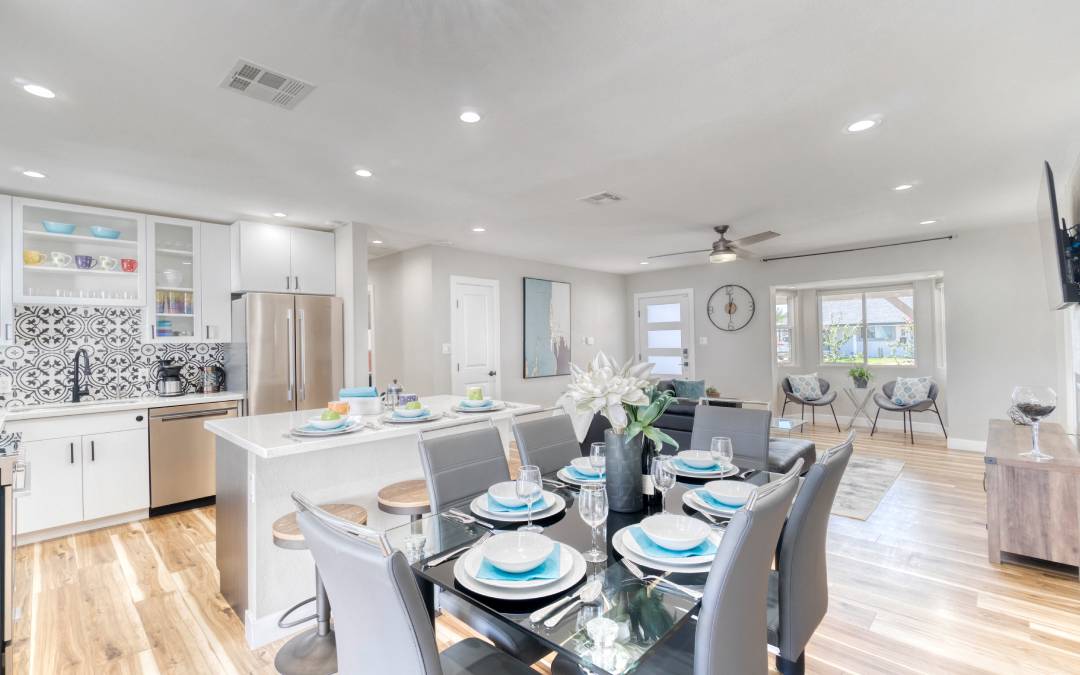
Interior design is more than arranging furniture or picking paint colors; it’s about creating a space that feels cohesive, functional, and truly reflective of how a home is lived in. Whether refreshing a single room or rethinking an entire house, interior design tips can help you dramatically improve comfort, style, and even mood. The good news is that great design doesn’t require a massive budget or professional training, just a clear understanding of a few key principles.
Understanding the Basics of Interior Design
Interior design starts with balance, proportion, and harmony. Every room should feel visually stable, meaning no one side feels heavier than the other. Proportion matters; oversized furniture in a small room could feel overwhelming, while tiny pieces in a large space may look lost. Harmony ties everything together, ensuring colors, textures, and styles complement rather than compete. Lighting is another foundational element. A well-designed space layers different types of lighting, combining ambient light with task and accent lighting. This approach creates depth and flexibility, allowing a room to transition from functional to cozy with ease.
Interior Design Tips for Choosing the Right Color Palette
Color is one of the most powerful tools in interior design. It sets the tone of a room and influences how large or small a space feels. Neutral palettes remain popular because they provide a calm backdrop and allow flexibility with décor. However, adding pops of color through cushions, artwork, or rugs will bring energy and personality into the space. When selecting colors, it’s helpful to consider natural light. Rooms with ample sunlight can handle darker or bolder tones, while dim spaces benefit from lighter shades that reflect light. Consistency across rooms also helps create a seamless flow throughout the home.
Interior Design Tips for Furniture Placement
Furniture placement make or break a room’s functionality. One of the most common mistakes in interior design is pushing all furniture against the walls. Instead, creating conversational groupings, where seating faces each other, makes the space feel more inviting and practical. Traffic flow is equally important. There should be clear pathways that allow easy movement without obstacles. Measuring furniture and room dimensions beforehand ensures everything fits comfortably without overcrowding.
Interior Design Tips for Maximizing Small Spaces
Small spaces require smart interior design tips to feel open and uncluttered. Multi-functional furniture, such as storage beds or foldable tables, can significantly increase usability. Mirrors are another effective trick, as they reflect light and create the illusion of a larger room. Vertical space often goes underutilized. Tall shelves or wall-mounted storage will draw the eye upward, making ceilings appear higher while providing extra storage. Keeping clutter to a minimum is essential, as too many items could quickly make a small space feel cramped.
Adding Personality Through Interior Design
A well-designed home should feel personal, not like a showroom. Incorporating meaningful décor, such as artwork, travel souvenirs, or family heirlooms, adds character and warmth. Texture also plays a key role in interior design. Mixing materials like wood, metal, fabric, and glass creates visual interest and depth. Plants are another simple way to enhance a space. They bring life, improve air quality, and soften hard edges. Even a few strategically placed indoor plants make a room feel fresher and more inviting.
Keeping Design Timeless
Trends come and go, but timeless interior design ensures a home remains stylish for years. Investing in classic furniture pieces and neutral foundations allows flexibility to update smaller décor items as tastes evolve. Simple patterns, clean lines, and quality materials tend to age better than overly trendy choices. That doesn’t mean avoiding trends entirely, just incorporating them in ways that are easy to change, such as through accessories, textiles, or paint.
Frequently Asked Questions (FAQs)
What is the most important rule in interior design?
The most important rule is balance. A room should feel visually stable, with furniture and décor arranged in a way that doesn’t feel too heavy on one side or cluttered overall.
How can interior design improve a home’s value?
Good interior design enhances both aesthetics and functionality, making a home more appealing to potential buyers. Well-designed spaces often feel larger, brighter, and more livable.
Is interior design expensive?
Interior design doesn’t have to be expensive. Simple changes like rearranging furniture, adding new lighting, or incorporating décor items could make a significant impact without a large investment.
How do I choose the right interior design style?
Start by identifying what feels comfortable and appealing. Looking at inspiration images and noting common themes can help define a personal style that suits both taste and lifestyle.
Can I do interior design myself?
Absolutely. With a basic understanding of design principles and careful planning, homeowners can successfully handle their own interior design projects.
American Dream Home Inspections provides inspections to homebuyers and sellers in Northern and Central New Jersey. Contact us to request our services.